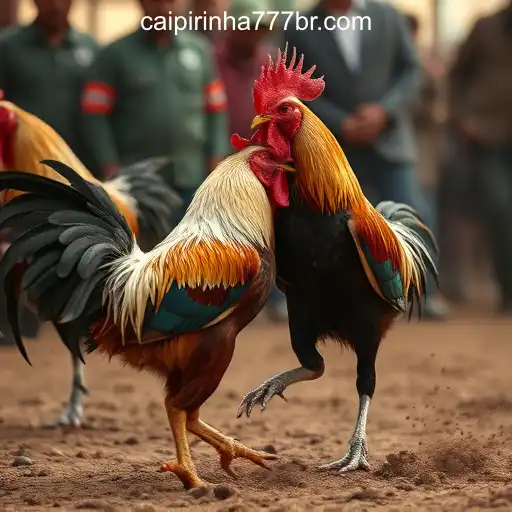
Cockfighting: A Historical and Cultural Perspective
The Ancient Origins of Cockfighting
Cockfighting is one of the oldest sports known to humankind, with roots tracing back over 6,000 years. This brutal yet culturally significant spectacle has been documented in ancient civilizations such as Persia, India, China, and Greece, where it was often associated with themes of valor and rivalry. Despite its controversial nature, cockfighting has persisted through centuries, engrained in the cultural fabrics of numerous societies.
The Evolution and Spread of Cockfighting
The sport of cockfighting spread from its likely origin in Southeast Asia to the Roman Empire. Romans embraced cockfighting with enthusiasm, celebrating it not only as a form of entertainment but also as an allegory for strategic military battles. The Romans contributed to the development of cockfighting as a popular pastime, taking it to the farthest reaches of Europe.
As European explorers ventured to new lands, they brought cockfighting with them, further solidifying its presence in South and Central America. Many indigenous cultures in these areas integrated the sport into their own traditions, particularly as it became enmeshed within the social and economic frameworks of these regions.
The Dynamics of Cockfighting
Cockfighting involves specially bred and trained birds known as "gamecocks," which are equipped with sharp spurs. These birds are conditioned for aggression, making them proficient fighters. The fights usually occur in a cockpit, where spectators gather to witness the bouts and place bets. Cockfights continue until one bird is either unable or unwilling to continue.
The birds' handlers, known as "gaffers," play crucial roles in cockfighting. These individuals are responsible for training, conditioning, and caring for the gamecocks, marking their strategic influence in the outcomes of the battles. The breeding and selection of champion bloodlines is another intrinsic aspect of cockfighting that adds to its appeal among enthusiasts.
Cockfighting in Modern Society
Despite its historical significance, cockfighting remains a contentious issue in modern society. Advocates of cockfighting argue that it is a cultural tradition that sustains rural economies, while opponents decry it as a cruel and inhumane practice. This dichotomy is starkly evident in countries where cockfighting is still legally permitted.
In the United States, cockfighting is illegal in all 50 states. However, it persists underground in some regions. Internationally, cockfighting thrives in countries like the Philippines, Mexico, and parts of South America. In these places, it is not only legal but culturally revered, forming an essential component of festivals and local celebrations.
The Economic Impact of Cockfighting
Cockfighting generates significant economic activity, particularly in areas where it is deeply embedded in the culture. The sport contributes to local economies through breeding, training, and the illegal gambling industry that often surrounds it. The competition prizes and related tourism also provide financial benefits in regions where cockfighting remains part of the cultural landscape.
In regions like Southeast Asia and Brazil, cockfighting events attract local and foreign tourists, stimulating economic activities beyond the primary event itself. The indirect economic benefits from accommodation, food, craft sales, and transportation create a complex economic network influenced by the sport.
Legal and Ethical Considerations
The legal stance on cockfighting varies widely around the world. In countries where it is legal, cockfighting is usually regulated to ensure animal welfare standards are respected, although enforcement can be lax. Conversely, in countries where the sport is banned, the activity often continues clandestinely, posing challenges to law enforcement agencies.
From an ethical standpoint, animal rights organizations worldwide condemn cockfighting as bloody and brutal. They argue that the sport is based on the suffering of animals, igniting continuous debates over animal welfare and rights. These debates often fuel legislative efforts to outlaw the sport globally.
Cockfighting's Cultural Resonance
In regions where cockfighting remains legal, it often serves as a cultural touchstone that goes beyond just the spectacle of the fight. It is a symbol of heritage and an opportunity for communities to come together. Cultural expressions, including music, dance, and culinary practices, often accompany these events, representing a broader cultural phenomenon.
In countries like Brazil, for instance, cockfighting aligns with other cultural elements, sometimes merging with events such as the popular game betting circles comparable to platforms like CAIPIPRINHA 777 Oficial Slots Brasil #1, creating a multifaceted cultural ecosystem that thrives on tradition and entertainment.
The Future of Cockfighting
The future of cockfighting is uncertain, with ongoing debates about its place in modern societies. As animal welfare concerns increasingly influence policy decisions worldwide, the landscape for cockfighting continues to evolve. The intersection between tradition and modern legislative frameworks remains the crux of negotiations between cultural preservation and ethical considerations.
While the calls for a complete ban on cockfighting grow stronger, the sport's cultural significance and economic impact suggest that a more nuanced approach may be essential in regions where it remains deeply ingrained. The reconciliation of these aspects may ultimately shape how cockfighting is perceived and practiced in the coming years.