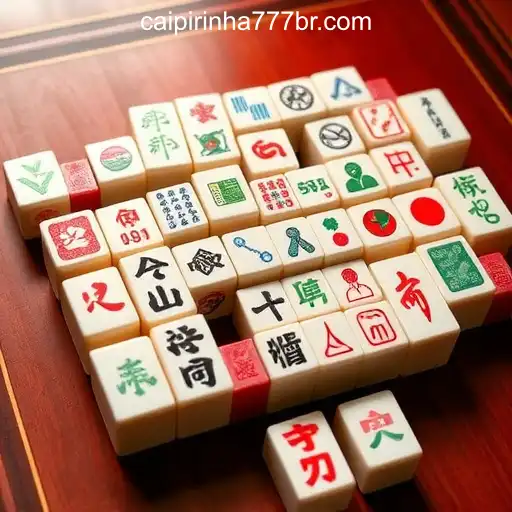
Mahjong: An Intricate Dance of Strategy and Skill
Mahjong is more than just a game; it's an intricate dance of strategy and skill that has captured the hearts of millions across the globe. Originating in China, Mahjong has transcended cultural and geographic boundaries to become a beloved pastime in many countries. Its rich history and complex gameplay are both challenging and rewarding for enthusiasts. This article delves into the fascinating world of Mahjong, exploring its roots, variations, and the strategic depth that makes it a timeless favorite.
History and Origins
The origins of Mahjong date back to the Qing dynasty, where it was believed to have evolved from earlier card games. Its exact beginnings are somewhat shrouded in mystery, but it is generally agreed that Mahjong gained popularity in the late 19th century. The game's initial spread was rapid, with many regions in China adopting their own unique variations of the rules.
Key Components of MahjongMahjong is typically played with a set of 144 tiles based on Chinese characters and symbols, including circles, bamboos, and characters, along with special honor and bonus tiles. Each player starts with a hands-on approach to form a complete set, typically consisting of four groups and a pair. These groups can be sequences or sets of identical tiles.
The Role of Strategy in Mahjong
At its core, Mahjong is a game of both luck and skill. Successful players must not only seek advantageous tile compositions but also predict opponents’ moves. This requires acute memory, strategic thinking, and a touch of intuition. Knowing which tiles to keep, discard or claim from others is a defining aspect of the game.
Variations Across the Globe
As Mahjong spread beyond China, it underwent numerous regional adaptations. Today, there are several distinct variations of Mahjong played worldwide. Some of the most notable include Japanese Mahjong, American Mahjong, and the traditional Chinese version. Each of these has its own set of rules, tiles, and scoring systems, further adding to the game's richness and diversity.
Japanese MahjongJapanese Mahjong, or Riichi Mahjong, introduces modern twists like the addition of the discard pile and hidden sets. This variation places a strong emphasis on strategy, with players often striving for secretive, high-scoring combinations known as 'yakus.'
American MahjongIn contrast, American Mahjong includes the use of jokers and a standardized card outlining acceptable hands for a given year. This format appeals to those who enjoy a structured yet strategic game environment.
The Competitive Scene
The global popularity of Mahjong has given rise to competitive tournaments, with players seeking to claim the title of the best in this complex game. From national leagues to international championship rounds, Mahjong continues to thrive as a competitive sport, attracting skilled players eager to showcase their expertise.
Online platforms now play a significant role in promoting Mahjong, with virtual versions making the game accessible to a wider audience. This digital evolution has allowed Mahjong to maintain its cultural relevance while adapting to the needs of modern gamers.
Mahjong’s Influence in Modern GamingMahjong's influence extends beyond traditional gameplay, with its symbols and concepts appearing in various modern gaming formats. Notably, its motif has been integrated into slot games like "CAIPIPRINHA 777 Oficial Slots Brasil #1" which blend classic themes with modern interactive elements. This reflects Mahjong's versatility as both a cultural symbol and a source of inspiration for contemporary developers.
Cultural Impact and Legacy
Beyond the mechanics and strategies, Mahjong bears a significant cultural influence. Its enduring presence in films, literature, and art reveals its profound impact on societies. In many cultures, Mahjong is more than just a game; it's a social ritual that brings people together, fostering camaraderie and competition alike.
In conclusion, Mahjong is a multifaceted game that continues to evolve while retaining its traditional essence. The balance of skill, chance, and community gives Mahjong its timeless appeal. Whether played casually with friends or competitively in tournaments, Mahjong remains a cornerstone of strategic gaming across the world.